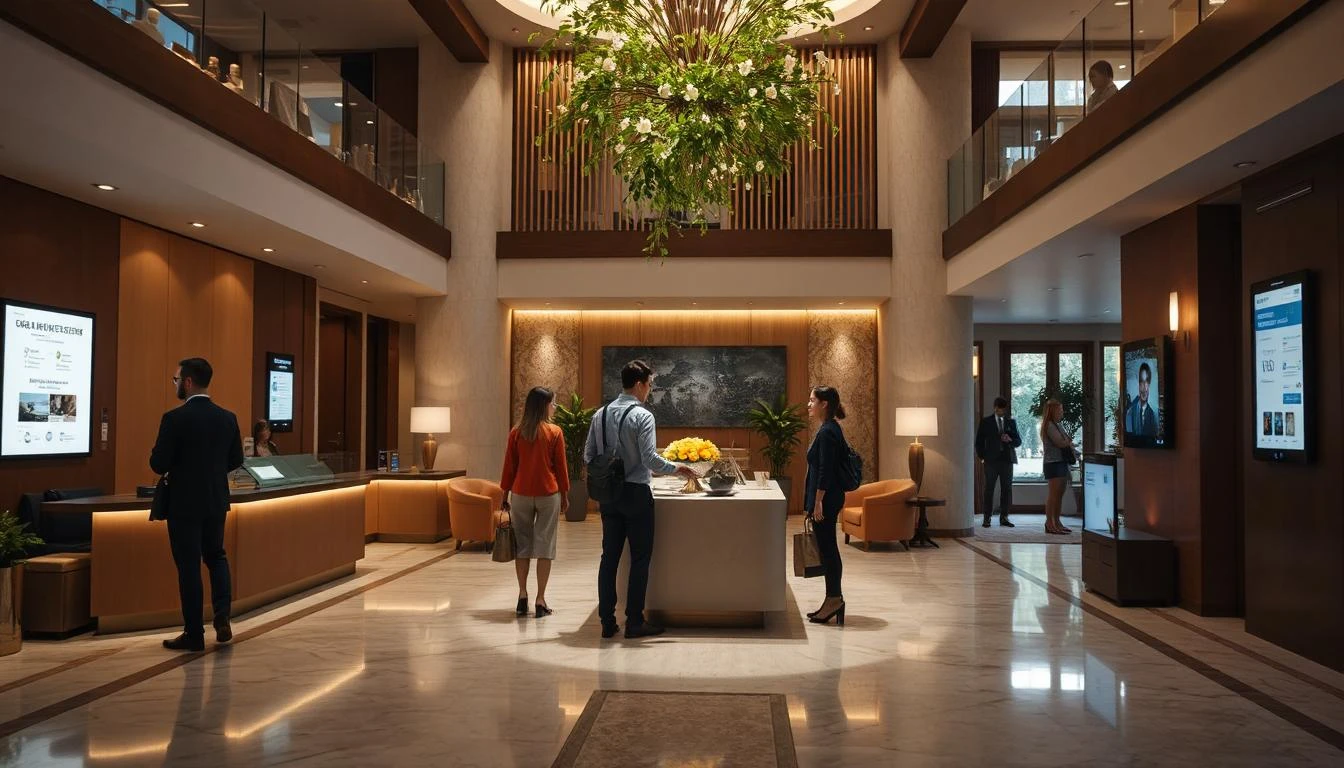
Food Service Industry Digital Transformation 2026
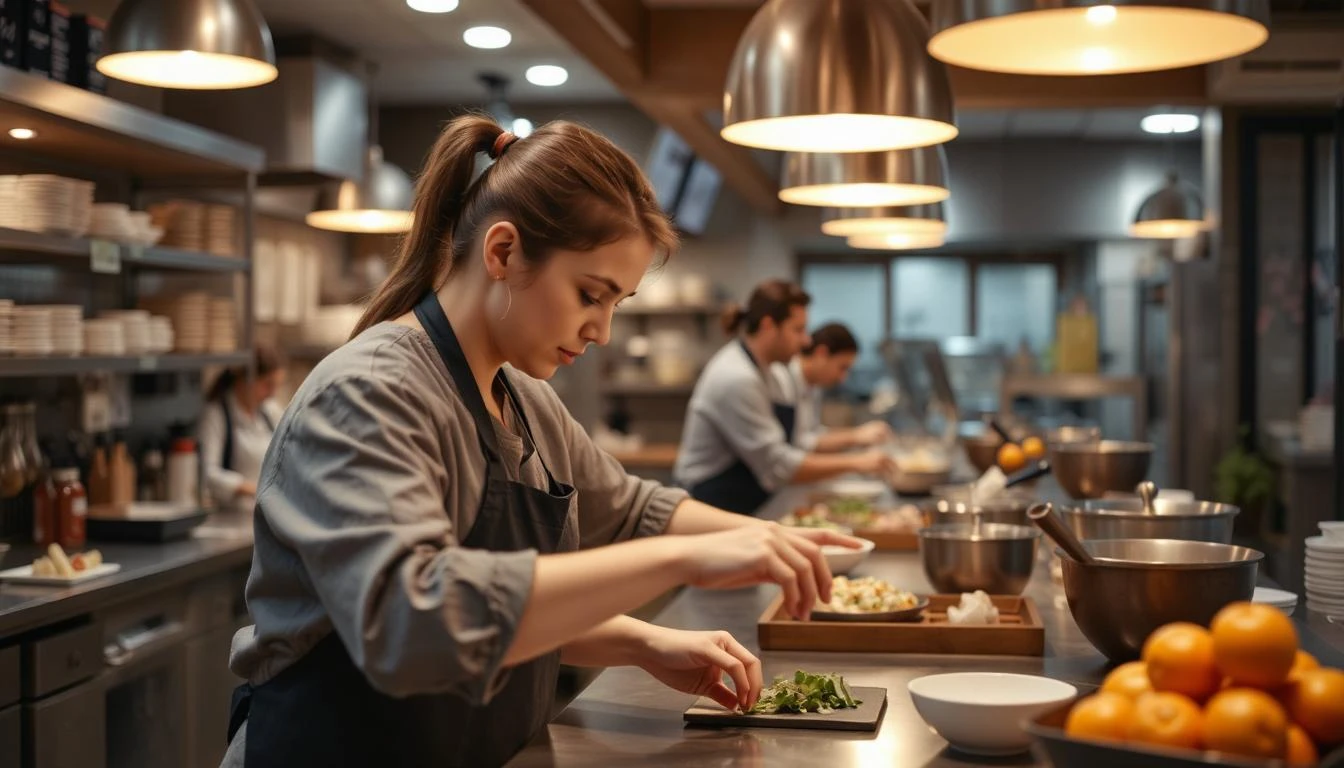
The global food ecosystem is quietly entering a phase where every interaction, from ordering to delivery, is shaped by invisible digital intelligence. Restaurants are no longer just physical spaces, they are becoming hybrid tech-driven environments that respond, learn, and adapt in real time.
In this evolving landscape, the shift toward food service digital growth 2026 is redefining how businesses compete, scale, and survive. It is no longer about serving food alone, but about orchestrating data, automation, and customer behavior into a seamless operational flow that feels almost intuitive.
Automation in Food Service Operations
The modern food industry is stepping into a stage where automation is no longer experimental, it is structural. Businesses are beginning to realize that operational speed alone is not enough; precision and intelligence now define competitiveness.
At the core of this shift, the evolution of restaurant tech transformation 2026 is pushing operators to rethink kitchens, service flow, and delivery architecture in a deeply integrated way.
AI powered kitchen management
Artificial intelligence is reshaping kitchen environments into predictive systems that anticipate demand, optimize ingredient usage, and reduce operational waste. Instead of reactive cooking, kitchens now operate on predictive logic that balances timing, inventory, and consistency.
As futurist Mark Halpern once noted, “The kitchen of the future will think faster than the chefs inside it,” highlighting how automation is becoming a co-pilot rather than a replacement.
Self service ordering kiosks
Self-service kiosks are transforming customer interaction into a frictionless digital journey. They reduce wait times, improve order accuracy, and introduce intelligent upselling through behavioral prompts. This creates a more autonomous dining experience where customers feel in control yet subtly guided.
Delivery system optimization
Delivery systems are being rebuilt with algorithmic precision. Real-time routing, predictive traffic mapping, and automated dispatching ensure that food reaches customers faster and fresher. In dense urban environments, this optimization becomes a critical competitive advantage.
Data Driven Food Business Strategy
The new era of food service is no longer driven by instinct alone. Instead, it is shaped by structured intelligence that transforms raw data into strategic clarity. Businesses that understand this shift are already outperforming competitors.
Within this evolution, food service digital growth 2026 continues to act as the backbone of decision-making frameworks that prioritize adaptability and foresight.
Customer behavior analytics
Customer behavior is now tracked across multiple digital touchpoints, revealing deep insights into preferences, timing, and ordering habits. These analytics allow businesses to anticipate demand and personalize experiences with remarkable accuracy.
Demand forecasting systems
Forecasting systems use machine learning models to predict order volumes, seasonal trends, and peak hours. This reduces waste and improves supply chain coordination. In high-volume markets, forecasting accuracy directly impacts profitability.
Dynamic pricing models
Dynamic pricing introduces flexibility into menu strategies, adjusting prices based on demand, time, and customer segmentation. This approach mirrors aviation pricing systems and is becoming increasingly common in global food marketplaces.
Modern Customer Experience in Food Service
Customer expectations are evolving faster than ever, and businesses are being pushed to create seamless, intuitive, and personalized experiences across every touchpoint.
The rise of restaurant tech transformation 2026 is making customer engagement more immersive, where digital convenience and personalization intersect naturally.
Contactless payment systems
Contactless payments, from mobile wallets to QR-based transactions, are reshaping how customers complete their purchases. The focus is on speed, safety, and frictionless interaction.
Personalized menu recommendations
AI-driven recommendation engines analyze past orders, preferences, and contextual factors like weather or time of day to suggest meals. This creates a highly personalized dining experience that feels intuitive rather than mechanical.
As food strategist Elena Rodriguez states, “Personalization is no longer a luxury in the food industry, it is the baseline expectation of modern consumers.”
Omnichannel ordering integration
Omnichannel systems unify apps, websites, and delivery platforms into a single connected ecosystem. Customers can start an order on one platform and complete it on another without disruption, ensuring consistency and convenience.
Transform Your Food Service Business Today
The transformation of the global food industry is no longer a future prediction, it is a present reality unfolding across every market segment. Businesses that embrace digital integration are not just improving efficiency; they are redefining what food service means in a connected world.
The acceleration of food service digital growth 2026 continues to reshape competition, forcing even traditional operators to rethink their strategies or risk irrelevance in an increasingly automated ecosystem.
Industry observers often highlight that adaptation speed is now more important than scale. The ability to integrate data, automation, and customer insights determines who leads and who lags in this new environment.
This shift also raises a deeper question: are food businesses ready to become data-first organizations rather than purely service-driven entities? The answer is becoming more critical as global competition intensifies.
As digital strategist Howard Lin explains, “The restaurant of the future is not built on recipes alone, but on algorithms that understand human appetite better than humans themselves.”